

How Do Dentists Determine the Best Implant Option for Each Patient?
At ALTA Dentistry, choosing the right implant starts long before surgery day. Each patient’s mouth is different. The plan needs to fit the person, not the other way around. Some patients need a full tooth replacement. Others want a cosmetic fix through Best dental implants in Tijuana, Mexico instead. This guide walks through how we settle on the right implant path. We cover each step, from the first visit to the final result.
Why Bone Density Shapes Every Implant Decision
Bone density plays a big role in nearly each implant choice. An implant post needs solid bone around it. This lets it fuse well and stay strong for years. Weak or thin bone changes what type of implant fits best for a given case. This is one of the first things we check. It happens at the very start of any consultation.
A few common bone outcomes shape the plan:
- Dense, healthy bone tends to work well with a standard implant right away
- Thinner bone calls for a wider or shorter implant design
- Very low bone volume sometimes needs grafting before placement
- Bone in the back jaw tends to differ from bone up front
Getting this piece right first prevents problems later in the process.
Matching Implant Type to the Patient’s Needs
Not every patient needs the same style of implant. The right choice depends on how many teeth are missing. It also depends on where those gaps fall in the mouth. Age and jaw shape matter too. Even how a patient bites down feeds into this decision.
Here are common implant types and when each one fits:
- Single implants replace one missing tooth cleanly
- Multiple implants hold up a bridge across several teeth
- Full-arch implants replace an entire row of teeth
- Mini implants keep dentures steady for patients with thin bone
Each option serves a distinct need. Matching the type to the case matters greatly for long-term results.
The Role of Imaging in Planning Treatment
Digital X-rays and 3D scans give a clear look at the bone. This covers its height, width, and shape. This imaging shows exactly where nerves and sinuses are located inside the jaw. A dentist studies these images closely before drawing up a plan.
These scans also guide the exact size and angle of the implant post. Precise planning like this lowers the risk of problems during surgery. It also helps set fair hopes for the healing timeline ahead.
Good imaging catches issues a simple visual check would miss. A hidden nerve path or thin bone spot changes the whole approach. Skipping this step raises the odds of an off-target plan.
Health Factors That Influence the Right Fit
A patient’s overall health plays a bigger role than most people think. Conditions like diabetes or thin gum tissue change how the body heals around an implant.
A few health factors we always review include:
- Blood sugar control in patients with diabetes
- Gum health and any history of gum disease
- Smoking habits, since they slow the healing process
- Bite force and jaw alignment patterns
Reviewing these factors upfront helps build a plan that holds up over time. Skipping this step raises the risk of setbacks down the road.
When a Cosmetic Fix Serves Better Than an Implant
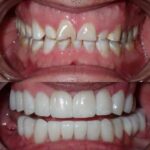
Not every dental concern calls for the Best dental implants in Tijuana, Mexico. Chipped, stained, or slightly uneven teeth respond well to a cosmetic fix instead. Porcelain veneers give patients a faster, simpler path. This works well when the tooth root and structure stay healthy.
This route skips surgery altogether. Veneers bond directly to the front of the tooth that already exists. Patients weighing both paths benefit from a clear talk about which problem they want to solve first.
What Happens After the Implant Type Is Chosen?
Once the right implant type is picked, the next step is a full treatment plan. This plan lays out timing, cost, and what to expect at each visit along the way.
Patients get a clear picture of the healing stages from start to finish. Follow-up visits track how well the implant fuses with the bone over time. This steady process keeps outcomes consistent and results strong for years ahead.
Schedule an Implant Consultation
Choosing the Best dental implants in Tijuana, Mexico should begin with a detailed evaluation, not a one-size-fits-all approach. Contact ALTA Dentistry to schedule a consultation and discuss your dental concerns, treatment options, imaging needs, and personalized path toward restoring your smile.
FAQs
- How does a dentist decide which dental implant is best?
Dentists consider several factors, including bone density, the number of missing teeth, jaw structure, gum health, bite patterns, and overall health. X-rays and 3D imaging provide additional information needed to create an individualized implant treatment plan.
- Why is bone density important for dental implants?
Adequate bone supports the implant and allows it to integrate with the jaw. If bone volume is limited, additional procedures or a different implant approach may be considered. Imaging helps determine whether the available bone can support treatment.
- Can health conditions affect dental implant treatment?
Yes. Diabetes, gum disease, smoking, and other health factors can affect healing and implant stability. At ALTA Dentistry, reviewing these factors before treatment helps the dental team identify potential concerns and plan appropriately.
- Does every missing tooth require a dental implant?
No. Treatment depends on the location and number of missing teeth, bone condition, overall oral health, and personal goals. A single implant, implant-supported bridge, denture, or another restorative option may be considered based on the individual case.
- When are porcelain veneers a better option than implants?
When a natural tooth remains healthy but has cosmetic concerns such as stains, chips, or uneven shape, veneers may be more suitable. Porcelain veneers can improve appearance without replacing an otherwise healthy tooth.